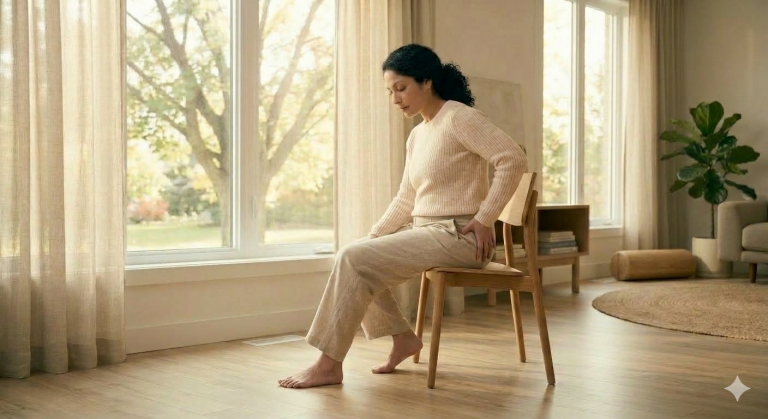
Vulvodynia & Vestibulodynia
Specialized pelvic floor physiotherapy to reduce vulvar pain, desensitize sensitive tissue, and restore your comfort and confidence.

You’re not imagining this. What you’re experiencing is real.

Why vulvodynia can feel overwhelming
Understanding the physical and emotional weight of chronic vulvar pain
Vulvodynia is a silent, isolating condition. The burning, stinging, or raw sensation at your vulva or vestibule may be constant or triggered by touch, sitting, tight clothing, or cycling. You may have been dismissed by healthcare providers, told that your symptoms are psychological, or left to manage pain alone without clear answers. But vulvodynia is real, measurable, and treatable — it involves genuine changes in your tissue, nerves, and pain processing system.
In Montreal, many people suffer for years before finding appropriate care. The pain isn’t just physical — it affects your confidence, your intimate relationships, your ability to wear the clothes you want, and your sense of normalcy. What makes vulvodynia especially challenging is that the pain isn’t visible to others, which can leave you feeling isolated and misunderstood. Understanding that your pain has specific, addressable drivers is the first step toward reclaiming your comfort and your life.
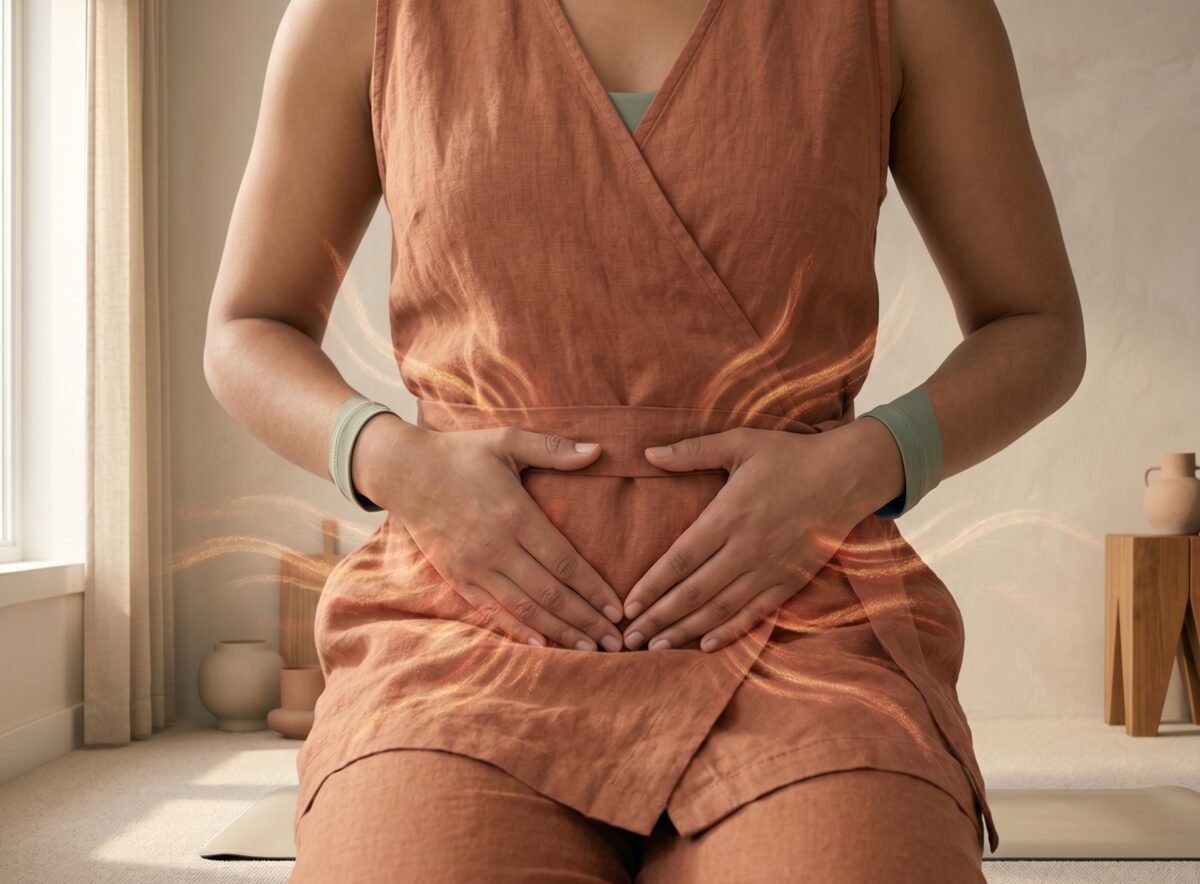
How vulvodynia affects the pelvic floor
The interplay between vulvar tissue, pelvic muscles, and nervous system sensitization
Vulvodynia develops through a complex interaction of tissue, muscle, and nervous system factors. Your pelvic floor muscles may become chronically tense in response to vulvar pain, creating a protective guarding cycle where muscle tension actually amplifies pain signals — a self-perpetuating loop that’s common in vulvodynia. At the tissue level, your vulvar skin may be hypersensitive due to inflammation, hormonal changes, past infections, dermatological conditions, or even microscopic nerve fiber changes (small fiber neuropathy).
Central sensitization — a process where your nervous system becomes increasingly reactive — can transform mild sensations into significant pain. Your brain and spinal cord begin to interpret routine stimuli (light touch, pressure, temperature) as threatening, amplifying pain signals far beyond what the tissue damage alone would cause. This nervous system involvement is why rest and avoidance often make vulvodynia worse: without gradual, controlled sensory input, the nervous system remains locked in pain-alarm mode. Physiotherapy addresses this multi-layered problem by releasing pelvic floor tension, gradually desensitizing vulvar tissue through graded exposure, retraining your nervous system, and coordinating care with gynecologists, dermatologists, and pain specialists to treat any underlying tissue or hormonal factors.
Why physiotherapy can help with vulvodynia
Physiotherapy does not replace medical evaluation for underlying skin conditions or hormonal factors. But it plays a central role in resolving the pelvic floor muscle tension, tissue hypersensitivity, and nervous system sensitization that sustain vulvodynia — often after medical treatments alone have not fully resolved symptoms. Here’s how pelvic floor physiotherapy supports your recovery.
Pelvic floor physiotherapy focuses on:
- Pelvic floor muscle down-training — Identifying and releasing chronic muscle tension that amplifies vulvar pain, breaking the protective guarding cycle so your muscles can relax and stop sending danger signals to your brain.
- Tissue desensitization and graded exposure — Using gentle, graduated techniques to gradually reduce hypersensitivity of vulvar tissue and the vestibule, retraining your nervous system to interpret touch as safe rather than threatening.
- Nervous system regulation — Calming central sensitization through education, breathing techniques, and progressive sensory retraining, helping your brain distinguish between safe and harmful sensations.
- Vulvar care guidance and collaboration — Providing education on vulvar hygiene, skincare routines, and avoiding irritants; coordinating with your dermatologist or gynecologist to address any underlying skin conditions or hormonal factors.

How vulvodynia care works at Nuvo Physio
Condition-first care that evolves with you.
Care starts with a thorough assessment of your pain pattern — is it constant or provoked? — your medical and gynecological history, any skin conditions, hormonal status, and how your body responds to different types of touch and pressure. We never rush the process. Your comfort and consent guide every step. Whether your vulvodynia is newly diagnosed or you’ve been managing it for years, we build a recovery plan tailored to your specific situation and phase of care.
Your care may involve:
- Specialized Pelvic Physiotherapy — Evidence-based assessment and manual therapy specifically designed for vulvodynia, including pelvic floor down-training, vulvar tissue desensitization, and nervous system retraining.
- Collaborative Team Care — At Nuvo, we don’t just assign a therapist; we assign a team. We match you with the most appropriate clinician(s) based on your current phase of care — whether you need initial pain reduction or advanced desensitization and functional retraining — to ensure the best fit for your recovery.
- Education and Guidance — Tools and support to manage discomfort between visits, including self-release techniques for pelvic floor tension, breathing strategies, guidance on vulvar care and suitable clothing, and advice on activities and positions that minimize pain.
- Long-term support — Sustainable recovery, not just quick fixes. We adjust the care team as your needs evolve from pain reduction to full functional restoration and restored confidence in your body.
Common vulvodynia symptoms we support
Vulvodynia presents differently for everyone — some experience constant burning, others only triggered pain. We provide specialized care across the full range of vulvodynia-related symptoms and presentations. If you recognize yourself in any of these, we can help.
- Constant vulvar burning or rawness — Persistent burning, stinging, or raw sensation throughout the day, regardless of activity or touch.
- Provoked vulvodynia during intercourse — Pain triggered specifically by vaginal penetration or pressure during intimacy.
- Vulvar pain triggered by sitting or pressure — Burning or discomfort that worsens with prolonged sitting, cycling, or tight clothing.
- Pelvic floor tension contributing to vulvar pain — Tight, tender pelvic floor muscles that amplify vulvar sensitivity and pain.
- Vestibule-specific pain and inflammation — Localized pain at the vaginal opening or vestibule, often worse with touch or insertion.
- Vulvodynia with skin changes or irritation — Burning or pain accompanied by visible redness, swelling, or signs of skin condition requiring dermatology coordination.
- Post-infection or trauma-related vulvar sensitivity — Ongoing pain following a yeast infection, UTI, or other vulvar trauma.
What to expect when you start care
- “Tell us what you’re feeling” — Answer guided questions about where and when your vulvar pain occurs, whether it’s constant or triggered, how it affects your daily life, and what you’ve already tried.
- “Get the right support” — We use your answers to assess your specific vulvodynia presentation and match you with the clinician best suited to your needs, whether you’re at the initial pain reduction phase or advanced desensitization stage.
- “Begin care at your pace” — Treatment is shaped around your comfort and consent. Desensitization and any internal work happens very gradually, only as you’re ready. You control the pace at every stage, and we celebrate small progress.