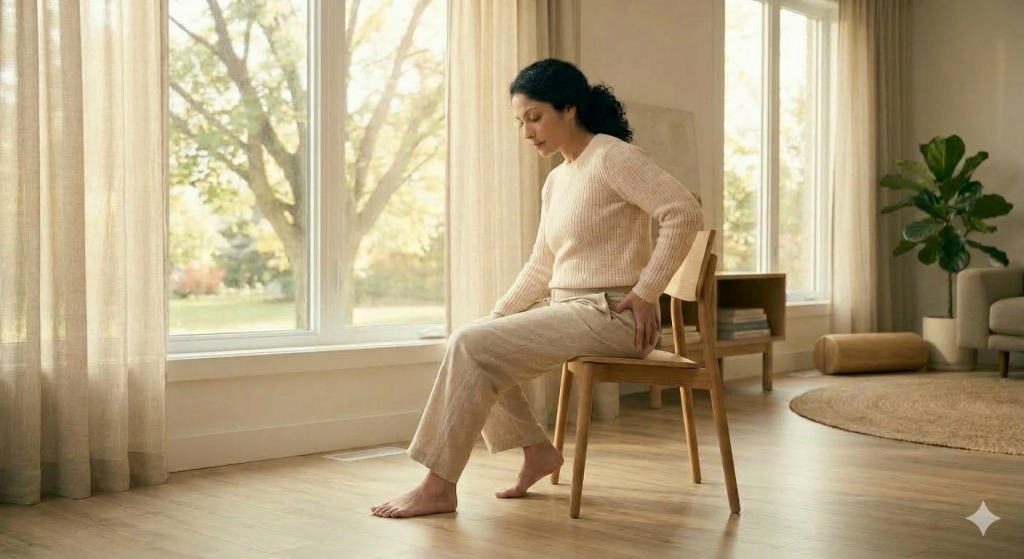
Understanding Pudendal Neuralgia: Causes, Symptoms, and Relief
Pudendal neuralgia is a condition characterized by chronic pain in the pelvic region, genitals, and perineum (the area between the anus and genitals). This pain results from compression or irritation of the pudendal nerve—a crucial nerve that innervates the perineal area. If you’re experiencing persistent pelvic or genital pain that affects your daily life, work capacity, and intimate relationships, you may be dealing with pudendal neuralgia.
At Nuvo Physio in Montreal, we specialize in diagnosing and treating this often-misdiagnosed condition. In this comprehensive guide, we’ll explore what pudendal neuralgia is, why it develops, how it’s diagnosed, and most importantly, how evidence-based pelvic physiotherapy can help you find relief and reclaim your quality of life.
What is Pudendal Neuralgia?
Pudendal neuralgia refers to chronic pain, dysfunction, or altered sensation in the distribution of the pudendal nerve. The pudendal nerve originates from the sacral spine (S2-S4 nerve roots) and travels through the pelvis, providing sensation and motor function to:
- The external genitalia
- The perineum (area between genitals and anus)
- The anal sphincter
- The urethral sphincter
- Skin and musculature of the pelvic floor
The pain associated with pudendal neuralgia is typically described as burning, stabbing, tingling, numbness, or a feeling of pressure. It’s often localized to specific trigger points but can radiate throughout the pelvic region. What makes this condition particularly challenging is that the pain is frequently misattributed to other conditions like vulvodynia or treated as a gynecological problem when the root cause is actually neurological.
Common Causes of Pudendal Nerve Compression
Understanding what compresses the pudendal nerve is essential for effective treatment. Several anatomical and biomechanical factors can contribute to pudendal nerve entrapment:
Muscle Tightness and Spasm
The pudendal nerve passes through or near several pelvic floor muscles, including the obturator internus, levator ani, and coccygeus muscles. When these muscles become chronically tight or go into spasm—often due to stress, poor posture, or overuse—they can compress the nerve. This is one of the most common causes we address through targeted pelvic physiotherapy.
Repetitive Activities and Trauma
Prolonged sitting (especially on narrow bicycle seats), repetitive straining, or direct perineal trauma can irritate or compress the pudendal nerve. Athletes, cyclists, and people with sedentary jobs may be at higher risk. Additionally, childbirth-related trauma or previous pelvic surgery can lead to scarring that affects the nerve.
Poor Postural Habits
Habitual forward pelvic tilt, excessive hip internal rotation, or prolonged sitting with poor ergonomics can place chronic compression on the nerve pathway. Over time, these postural patterns create the sustained pressure needed to compress the nerve.
Psychological Stress and Tension
The pelvic floor muscles are innervated by the parasympathetic nervous system and are highly responsive to psychological stress. Chronic anxiety, trauma, or stress can cause protective muscle tension that compresses nearby nerves, including the pudendal nerve.
Anatomical Variations
Some individuals have anatomical variations in the space through which the pudendal nerve travels. While not everyone with these variations experiences symptoms, when combined with muscle tension or other risk factors, compression becomes more likely.
Recognizing Pudendal Neuralgia Symptoms
Symptoms of pudendal neuralgia vary significantly between individuals, but there are characteristic pain patterns that help differentiate this condition from others. At Nuvo Physio, we look for several key indicators:
Pain Characteristics
- Location: Pain is typically localized to the vulva, perineum, anus, or scrotum, though it can affect the entire pelvic region
- Quality: Often described as burning, stabbing, electric, numb, or pressure-like sensations
- Onset: Pain may develop gradually or appear suddenly after an injury or trauma
- Duration: Chronic pain lasting weeks to years; may worsen with sitting or activity
Impact on Function and Quality of Life
Beyond the pain itself, pudendal neuralgia significantly affects daily functioning:
- Sitting discomfort: Pain worsens with sitting for extended periods; relief often comes with lying down or standing
- Sexual dysfunction: Dyspareunia (painful intercourse) is extremely common, potentially straining intimate relationships
- Urinary symptoms: Urgency, frequency, or difficulty with urination may occur
- Bowel dysfunction: Some patients experience constipation or pain with bowel movements
- Psychological impact: Chronic pain frequently leads to anxiety, depression, and social isolation
Symptom Severity Patterns
Interestingly, symptoms often improve when lying down and worsen with sitting, standing, or certain activities. This distinctive pattern is one reason pelvic physiotherapists can often identify pudendal neuralgia fairly quickly. The pain may also fluctuate with hormonal cycles or stress levels.
Diagnostic Approaches
Diagnosing pudendal neuralgia can be challenging because the condition is often unfamiliar to many healthcare providers. Comprehensive assessment at Nuvo Physio includes:
Clinical History and Physical Examination
We conduct a detailed history, paying special attention to symptom onset, activities that aggravate symptoms, and how symptoms have evolved. Physical examination includes careful palpation of pelvic floor muscles and assessment of posture, hip mobility, and muscle tension patterns.
Movement Assessment
We evaluate how movement affects symptoms. Specific hip positions, sitting positions, and activity levels help us understand which structures are involved. We also assess pelvic floor muscle function using manual therapy techniques and internal palpation (if appropriate and consented).
Imaging and Specialist Referral
While imaging isn’t always necessary, MRI can sometimes visualize nerve compression. We may recommend specialist referrals to ensure proper diagnosis, particularly when considering pudendal nerve blocks or other medical interventions for severe cases.
Ruling Out Similar Conditions
Pudendal neuralgia shares symptoms with several other conditions, so we carefully differentiate between dyspareunia (painful intercourse), vulvodynia, and interstitial cystitis. Each requires slightly different treatment approaches, making accurate diagnosis crucial.
Pelvic Physiotherapy Treatment Approaches
Evidence-based pelvic physiotherapy is a first-line and highly effective treatment for pudendal neuralgia. Our comprehensive approach addresses the root causes of nerve compression and restores normal function.
Manual Therapy and Soft Tissue Release
Our physiotherapists use targeted manual therapy techniques to release chronically tight pelvic floor muscles. Through internal and external soft tissue mobilization, we reduce muscle tension that’s compressing the nerve. This often provides significant relief and is a cornerstone of our treatment approach.
Pelvic Floor Muscle Relaxation Training
Counterintuitively, many patients with pudendal neuralgia benefit from pelvic floor relaxation rather than strengthening. We teach specific techniques to help consciously relax the pelvic floor muscles, release protective tension, and restore normal muscle tone. This is particularly important for patients with overactive pelvic floor dysfunction.
Postural Education and Ergonomic Modification
We assess your daily posture and sitting habits, providing specific recommendations to reduce pressure on the pudendal nerve. This might include sitting modifications, workspace ergonomics, or activity modifications for cyclists or athletes. Small postural changes often lead to substantial symptom improvement.
Hip Mobility and Flexibility Work
Many patients with pudendal neuralgia have tight hip muscles, particularly the hip external rotators and deep hip stabilizers. We implement targeted stretching and mobility exercises to improve hip range of motion and reduce indirect compression on the nerve.
Breathing and Relaxation Techniques
Since psychological stress directly contributes to pelvic floor muscle tension, we teach breathing exercises, mindfulness techniques, and other relaxation strategies. These evidence-based approaches help calm your nervous system and reduce protective muscle guarding.
Gradual Return to Activity
Once acute symptoms improve, we carefully progress your activity tolerance. We help you develop sustainable activity patterns that don’t re-trigger nerve compression, allowing you to return to work, exercise, and intimacy.
Lifestyle Modifications for Symptom Management
Beyond professional treatment, several lifestyle changes support healing:
Sitting Modifications
- Use a donut cushion or coccyx-cut cushion to reduce perineal pressure
- Take frequent sitting breaks, alternating with standing or lying positions
- Avoid sitting on soft surfaces that allow greater pelvic sinking
- Adjust your sitting posture to maintain neutral pelvic alignment
Activity Management
- Avoid activities that directly irritate the nerve (prolonged cycling, intense exercise)
- Practice activity pacing—do less, more frequently, rather than long sessions
- Gradually increase activity tolerance as pain decreases
- Choose low-impact activities like walking, swimming, or water aerobics
Nutrition and Hydration
- Stay well-hydrated, as dehydration can worsen nerve sensitivity
- Avoid inflammatory foods if possible
- Maintain regular bowel movements to avoid straining (eat adequate fiber, stay hydrated)
- Some patients find that limiting caffeine and alcohol helps reduce symptoms
Stress Management
- Practice daily relaxation techniques (yoga, meditation, progressive muscle relaxation)
- Seek support from mental health professionals if experiencing anxiety or depression
- Engage in gentle movement and mindfulness practices
- Consider the impact of work stress and life changes on your symptoms
When to Seek Professional Treatment
If you’re experiencing persistent pelvic pain, genital pain, or other symptoms suggestive of pudendal neuralgia, it’s time to seek specialized care. Early intervention typically leads to better outcomes. At Nuvo Physio, we’ve successfully treated numerous Montreal patients with this condition, helping them return to pain-free living.
Several factors make early physiotherapy particularly beneficial:
- Chronic pain patterns become harder to break the longer they persist
- Early intervention prevents secondary problems like anxiety, depression, or sexual dysfunction
- Pelvic floor overactivity is easier to address before it becomes deeply ingrained
- Many patients avoid seeking help due to embarrassment, but specialized physiotherapists are trained in respectful, professional care
The Nuvo Physio Approach to Pudendal Neuralgia
At Nuvo Physio, we understand how profoundly pudendal neuralgia affects quality of life. Our specialized pelvic health team uses evidence-based assessment and treatment to address the root causes of your pain. We don’t just treat symptoms—we identify what’s compressing your pudendal nerve and create a personalized treatment plan to reduce that compression.
Our approach is compassionate, patient-centered, and rooted in the latest research. We recognize that pain in this sensitive area often comes with psychological and emotional components, and we treat the whole person, not just the symptoms.
FAQ: Commonly Asked Questions About Pudendal Neuralgia
How long does pudendal neuralgia take to heal with physiotherapy?
Recovery timelines vary based on symptom severity and how long you’ve had the condition. Many patients experience significant improvement within 4-8 weeks of consistent physiotherapy. However, complete resolution may take 3-6 months or longer, especially for chronic cases. Consistency with exercises and lifestyle modifications is key.
Is pudendal neuralgia permanent?
No, pudendal neuralgia is not permanent with appropriate treatment. While some patients experience lingering sensitivity, most achieve substantial pain reduction and functional improvement through physiotherapy. Early intervention significantly improves prognosis.
Can I exercise with pudendal neuralgia?
Yes, but you need to choose activities carefully and progress gradually. High-impact activities, cycling, and intense core work may aggravate symptoms initially. We recommend walking, swimming, gentle yoga, and modified strength training. Your physiotherapist will guide you on which activities are appropriate for your specific situation.
Is pudendal neuralgia the same as vulvodynia?
While both cause genital pain, they have different causes. Pudendal neuralgia results from nerve compression along the pudendal nerve pathway, while vulvodynia typically affects the superficial vulvar tissue. However, they can coexist. Proper diagnosis is essential because treatment approaches differ.
What should I avoid if I have pudendal neuralgia?
Avoid prolonged sitting, intense perineal pressure activities (like cycling), and heavy straining. Minimize stressful situations when possible, as stress worsens muscle tension. Avoid delay in seeking treatment, as chronic pain patterns become harder to reverse over time.
Can pudendal neuralgia be treated without surgery?
Yes. Physiotherapy is a first-line, non-surgical treatment that resolves pudendal neuralgia for most patients. Surgery (pudendal nerve decompression) is typically only considered after conservative treatment has been thoroughly attempted and failed, which is rare.
Take the Next Step: Relief is Possible
If you’re experiencing pelvic or genital pain that affects your quality of life, you don’t have to suffer in silence. Pudendal neuralgia is highly treatable with specialized pelvic physiotherapy. The compassionate team at Nuvo Physio in Montreal has helped countless women overcome this condition and return to pain-free, fully functional lives.
Book a consultation at Nuvo Physio to begin your journey toward relief. During your first appointment, we’ll conduct a comprehensive assessment, explain what’s happening, answer your questions, and create a personalized treatment plan tailored to your specific needs. You deserve to feel good in your body again—let us help you get there.