Athletic Pelvic Health
Evidence-based pelvic floor physiotherapy for runners, CrossFitters, lifters, and active women — addressing leakage, pelvic pressure, pain, and the performance barriers that hold you back from the activities you love.

Leaking during a workout isn’t a badge of honor. It’s a sign your body needs support.

Why athletic women need specialized pelvic care
Understanding the gap between fitness and pelvic health
You train hard, you push your limits, and you expect your body to perform. But somewhere along the way — after a pregnancy, during a heavy lifting cycle, or seemingly out of nowhere — something changed. Maybe you leak during box jumps or double-unders. Maybe you feel pressure or heaviness during running that wasn’t there before. Maybe you’ve started avoiding certain exercises because of pelvic pain, fear of leakage, or a sensation that “something isn’t right.”
These symptoms are incredibly common among active women — and they are not a normal cost of being fit. High-impact exercise, heavy lifting, and endurance training place significant demands on the pelvic floor. When the pelvic floor can’t manage those demands — due to weakness, poor coordination, excessive tension, or incomplete recovery from pregnancy and birth — symptoms develop. The problem is that most fitness professionals aren’t trained to recognize pelvic floor issues, and most pelvic health providers don’t understand the demands of sport. At Nuvo Physio, we bridge that gap. We specialize in helping athletic women resolve pelvic floor symptoms while maintaining and progressing their training — not by telling you to stop doing what you love, but by rebuilding the foundation that lets you do it without limitations.
How sport affects the pelvic floor
The biomechanics of impact, loading, and intra-abdominal pressure
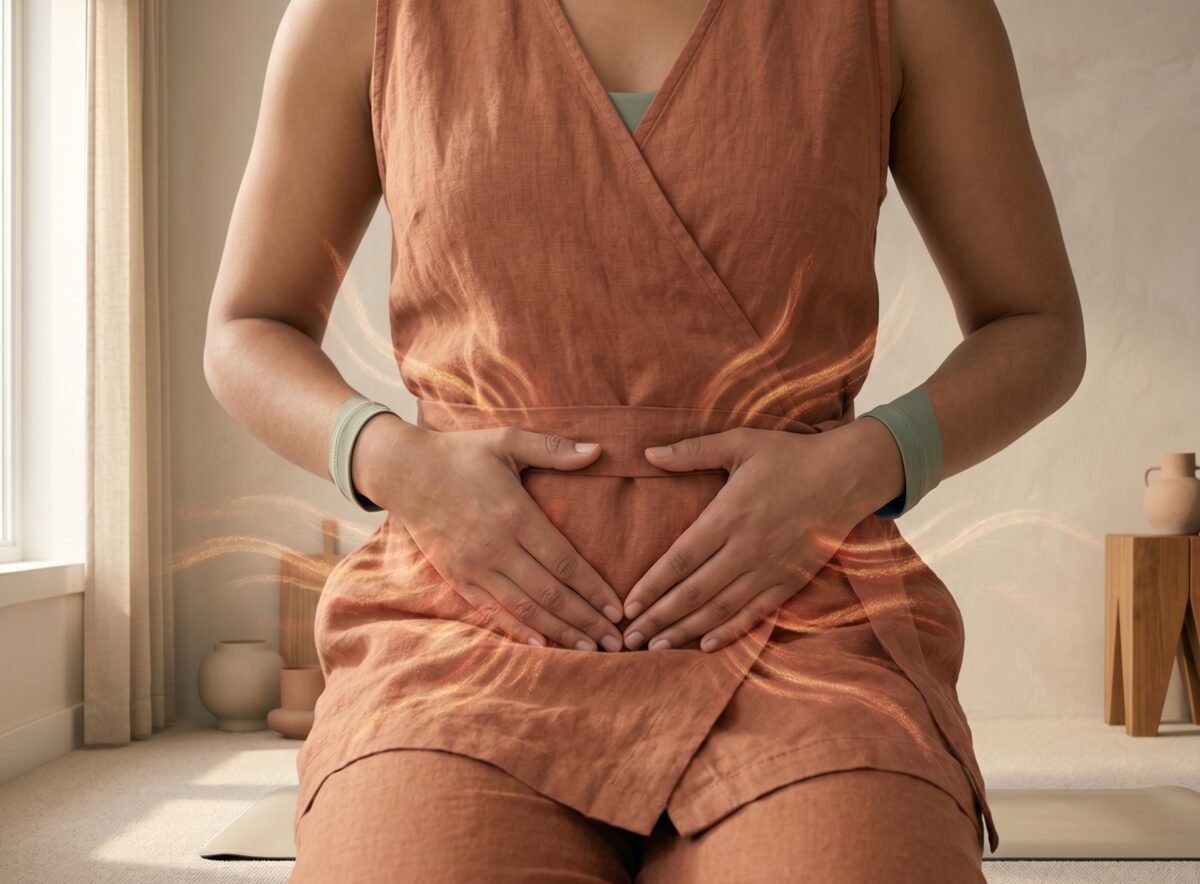
Every jump, lift, sprint, and impact transmits force through your core and pelvic floor. During a heavy back squat, intra-abdominal pressure rises dramatically. During running, the pelvic floor absorbs two to three times your body weight with every stride. During plyometric movements, that loading is sudden and repetitive. A healthy pelvic floor manages this by contracting reflexively to counterbalance these forces — but when that system is compromised, symptoms appear.
Pelvic floor compromise in athletes typically comes from one of several pathways. Pregnancy and birth is the most common — vaginal delivery can weaken or injure the pelvic floor, and cesarean delivery alters core pressure dynamics. But nulliparous athletes also develop pelvic floor dysfunction from chronic high loading, breath-holding strategies that overload the pelvic floor, or habitual tension patterns that prevent the pelvic floor from relaxing and absorbing force effectively. High-intensity training without adequate pelvic floor recovery leads to a cumulative load that eventually exceeds the tissue’s capacity. The pelvic floor doesn’t fail suddenly — it gradually loses the ability to manage peak demands, and symptoms appear during your most challenging activities first. Physiotherapy identifies exactly where the system is breaking down and rebuilds the specific capacity you need for your sport.
Why physiotherapy is essential for athletic pelvic health
Generic pelvic floor exercises — the “just do your Kegels” advice — are not enough for athletes. Athletic pelvic floor rehabilitation requires understanding the specific demands of your sport, the forces involved, and the coordination patterns required. Here’s how specialized physiotherapy supports your return to full performance.
Pelvic floor physiotherapy focuses on:
- Sport-specific pelvic floor assessment — Evaluating pelvic floor strength, coordination, endurance, and reflexive capacity under the loading conditions your sport demands, identifying whether your pelvic floor is weak, hypertonic, poorly coordinated, or unable to manage peak forces.
- Progressive loading and impact training — Building pelvic floor capacity through graduated exposure to the specific forces your sport requires — from low-impact coordination through high-impact plyometrics, heavy lifting, and sport-specific movements — rather than restricting activity.
- Pressure management and breathing strategy — Optimizing how you manage intra-abdominal pressure during lifting, impact, and exertion, replacing breath-holding or bearing-down patterns that overload the pelvic floor with strategies that support both performance and pelvic floor function.
- Core and pelvic floor integration — Rebuilding the coordinated relationship between your diaphragm, deep core muscles, and pelvic floor so they function as an integrated system during dynamic, high-demand movements rather than working against each other.

How athletic pelvic care works at Nuvo Physio
Performance-focused care that keeps you training.
We don’t believe in pulling you out of your sport. We believe in modifying intelligently while we rebuild. Our approach starts with understanding exactly what activities are problematic, what loading thresholds trigger your symptoms, and what your performance goals are — then building a rehabilitation program that progresses alongside your training, not instead of it.
Your care may involve:
- Specialized Pelvic Physiotherapy — Comprehensive internal and external pelvic floor assessment, manual therapy, neuromuscular retraining, and progressive loading protocols designed specifically for the demands of your sport and training level.
- Collaborative Team Care — We match you with clinicians who understand athletic demands — whether your primary issues are leakage during impact, pelvic pressure during lifting, pain during sport, or return-to-sport after pregnancy.
- Training Modification and Programming — Practical guidance on how to modify your current training to maintain fitness while your pelvic floor rebuilds capacity, including exercise substitutions, volume management, and progression criteria for returning to full activity.
- Long-Term Performance Support — Pelvic floor health is an ongoing component of athletic performance. We provide periodic check-ins, training adjustments for different phases, and support through life changes like pregnancy, postpartum return, and perimenopause that affect pelvic floor demands.
Common athletic pelvic floor symptoms we treat
If you’ve been told to “just avoid” the activities that cause symptoms, that’s not a solution — it’s a limitation. Every symptom below is treatable, and the goal is to get you back to full participation, not permanent modification.
- Leakage during exercise — Urinary leakage during running, jumping, lifting, or high-impact activities caused by pelvic floor weakness, poor reflexive coordination, or inadequate pressure management.
- Pelvic pressure or heaviness during activity — A sensation of bearing down, bulging, or heaviness in the vagina during or after exercise, often related to pelvic floor laxity or suboptimal pressure management.
- Pelvic pain during sport — Sharp, aching, or pulling pain in the pelvis during specific movements, positions, or loading patterns related to pelvic floor tension, hip dysfunction, or nerve irritation.
- Core dysfunction after pregnancy — Inability to generate core stability during lifting or dynamic movements, visible doming or coning of the abdominal wall, and a sense that the core “isn’t connected” to the rest of the body.
- Hip and groin pain during training — Deep hip, groin, or adductor pain during squatting, lunging, or running that originates from or is amplified by pelvic floor dysfunction or sacroiliac joint instability.
- Pain during or after intercourse — Exercise-related pelvic floor tension that carries over into sexual discomfort, or pain patterns that worsen after training days.
- Bowel urgency or dysfunction with exercise — Urgency, cramping, or difficulty controlling bowel function during or after training, particularly with running or high-intensity intervals.
What to expect when you start care
- “Tell us what you’re feeling” — Answer a few guided questions about your sport, training level, symptoms, and what activities are currently limited or avoided because of pelvic floor issues.
- “Get the right support” — We use your answers to guide the next steps and match you with a clinician who understands athletic demands and can create a sport-specific rehabilitation plan.
- “Begin care at your pace” — Treatment works alongside your training. We modify what needs modifying, maintain what we can, and progressively rebuild your capacity until you’re back to full performance.