Uterine Fibroids & Pelvic Care
Evidence-based pelvic floor physiotherapy to manage fibroid-related pain, pelvic pressure, bladder and bowel changes, and pre- and post-surgical recovery — so fibroids don't define your daily life.

You’re not imagining this. What you’re experiencing is real.

Why fibroids can affect so much more than your uterus
Understanding the toll of fibroids on daily life
Living with uterine fibroids can mean dealing with symptoms that go far beyond heavy periods. You may feel constant pelvic pressure or heaviness, like something is sitting on your bladder. You may need to urinate frequently, struggle with constipation, or experience pain during intercourse. You may have been told your fibroids are “nothing to worry about” while they quietly erode your quality of life.
Uterine fibroids affect up to 70–80% of women by age 50, making them one of the most common gynecological conditions. Yet many people live with fibroid symptoms for years without understanding that the pelvic pressure, bladder changes, bowel dysfunction, and pain they experience are all connected — and treatable. Pelvic floor physiotherapy doesn’t shrink fibroids, but it is one of the most effective ways to manage the secondary symptoms that fibroids create: the muscle tension, the organ pressure, the movement restrictions, and the pain patterns that affect your daily function. Whether you’re managing fibroids conservatively, preparing for surgery, or recovering from a myomectomy or hysterectomy, physiotherapy can help.
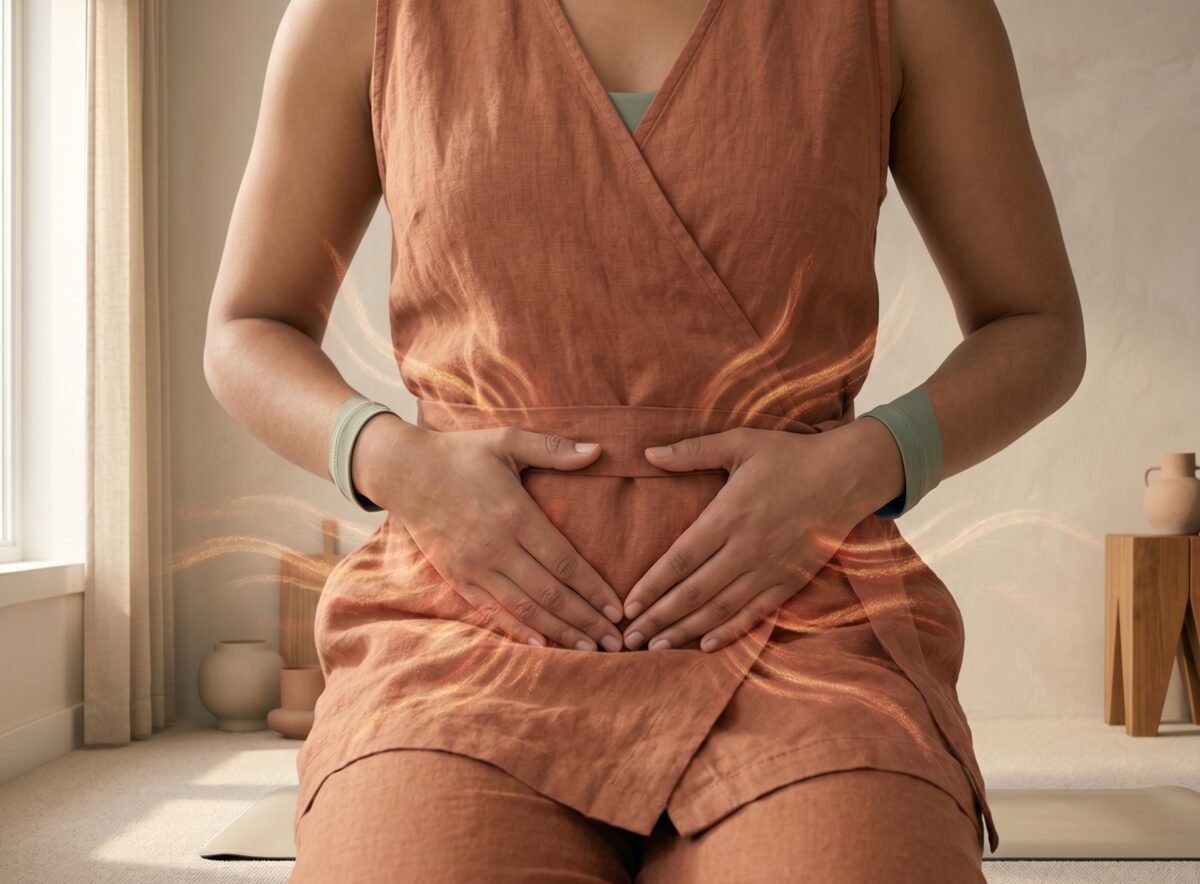
How fibroids affect the body
How size, location, and secondary muscle tension create a cascade of symptoms
Uterine fibroids are non-cancerous growths in or on the uterus that vary widely in size — from a few millimeters to large masses that distort the uterus and compress surrounding structures. Their impact depends not just on size but on location: submucosal fibroids (inside the uterine cavity) cause heavy bleeding; subserosal fibroids (on the outer surface) can press on the bladder or bowel; intramural fibroids (within the uterine wall) can cause both.
The mechanical pressure from fibroids creates a cascade of secondary effects. A fibroid pressing on the bladder can cause urgency, frequency, and incomplete emptying. Pressure on the rectum can cause constipation and difficult evacuation. As the pelvic organs shift to accommodate growing fibroids, the pelvic floor muscles compensate — often by tightening, which creates its own layer of pain, pressure, and dysfunction. Over time, the pelvic floor adapts to this altered environment, developing chronic tension patterns that persist even if the fibroids are treated. Physiotherapy addresses the pelvic floor dysfunction, organ pressure effects, and movement adaptations that fibroids create — working alongside your gynecologist to manage your complete symptom picture.
Why physiotherapy can help with fibroid symptoms
Physiotherapy does not treat fibroids themselves — that’s the role of your gynecologist. But it addresses the secondary effects that fibroids create in the pelvic floor, bladder, bowel, and surrounding tissues. For many people, these secondary effects are actually the primary source of their daily discomfort. Here’s how pelvic floor physiotherapy supports your quality of life.
Pelvic floor physiotherapy focuses on:
- Pelvic floor assessment and rebalancing — Identifying whether your pelvic floor is weak, tight, or uncoordinated in response to fibroid-related pressure, and restoring balanced function through targeted release, strengthening, or coordination training.
- Bladder and bowel function optimization — Addressing the urgency, frequency, incomplete emptying, and constipation that result from fibroid pressure on the bladder and rectum, using behavioral strategies, positioning techniques, and pelvic floor retraining.
- Pain management and pressure relief — Reducing pelvic heaviness, lower back pain, and deep aching through manual therapy, myofascial release, postural correction, and movement strategies that decrease load on the affected tissues.
- Pre- and post-surgical rehabilitation — Optimizing pelvic floor function before myomectomy, uterine artery embolization, or hysterectomy to support faster recovery, and guiding rehabilitation afterward to restore strength, mobility, and confidence.

How fibroid care works at Nuvo Physio
Condition-first care that evolves with you.
Care starts with understanding your specific fibroid-related symptoms — where your pressure or pain is, what triggers it, how it affects your bladder, bowel, and daily function, and where you are in your treatment journey. We assess your pelvic floor tone and coordination, abdominal wall function, posture, and movement patterns — then build a plan that targets the specific drivers of your symptoms.
Your care may involve:
- Specialized Pelvic Physiotherapy — Evidence-based pelvic floor assessment and treatment, manual therapy, myofascial release, bladder and bowel retraining, and movement rehabilitation specifically designed for fibroid-related pelvic dysfunction.
- Collaborative Team Care — At Nuvo, we don’t just assign a therapist; we assign a team. We match you with the most appropriate clinician(s) based on your current phase of care — whether you need symptom management, pre-surgical optimization, or post-surgical recovery — to ensure the best fit for your needs.
- Education and Guidance — Tools and support to manage symptoms between visits, including positioning strategies for pressure relief, bladder and bowel management techniques, exercise modifications, and guidance on coordinating with your gynecologist or surgeon.
- Long-term support — Sustainable management that evolves with your condition. We adjust the care team as your needs change — from conservative management to surgical preparation to post-operative recovery and beyond.
Common fibroid-related symptoms we support
Uterine fibroids affect pelvic function, bladder and bowel health, and daily comfort simultaneously. We provide specialized care for the full range of fibroid-related symptoms. If you recognize yourself in any of these, we can help.
- Pelvic pressure and heaviness — A constant sensation of fullness, weight, or downward pressure in the pelvis that worsens with standing, walking, or physical activity.
- Bladder urgency and frequency — Needing to urinate frequently, experiencing urgency, or feeling unable to fully empty the bladder due to fibroid pressure on the bladder.
- Constipation and bowel pressure — Difficulty with bowel movements, feeling of incomplete evacuation, or rectal pressure from fibroids compressing the rectum or altering pelvic floor coordination.
- Lower back and pelvic pain — Deep aching in the lower back, pelvis, or hips related to the mechanical load of fibroids and compensatory tension patterns in the pelvic floor and surrounding muscles.
- Painful intercourse — Deep pain during sexual activity related to fibroid position, pelvic floor tension, or altered organ mobility.
- Pre-surgical preparation — Optimizing pelvic floor function, core stability, and movement patterns before myomectomy, uterine artery embolization, or hysterectomy.
- Post-surgical recovery — Restoring pelvic floor function, core strength, and daily confidence after fibroid removal surgery, addressing scar tissue, and rebuilding movement patterns.
What to expect when you start care
- “Tell us what you’re feeling” — Answer a few guided questions about your symptoms, fibroid history, surgical plans, and how fibroids are affecting your daily life and activities.
- “Get the right support” — We use your answers to guide the next steps and match you with the clinician best suited to your specific fibroid-related needs.
- “Begin care at your pace” — Treatment is shaped around your comfort and goals. Whether you’re managing symptoms conservatively or preparing for surgery, we meet you where you are.