Postpartum Fourth Trimester Recovery
Specialized postnatal pelvic floor physiotherapy to support your body's recovery after birth — whether vaginal or cesarean — rebuilding core strength, restoring pelvic function, and helping you feel at home in your body again.
Your body did something extraordinary. Now it deserves extraordinary care.

Why the fourth trimester matters more than anyone told you
Understanding the reality of postpartum recovery
The first twelve weeks after birth are often called the “fourth trimester” — a period of profound physical recovery that is dramatically underserved in our healthcare system. You may have had one six-week checkup and been told you’re “cleared” to return to normal activity. But your body went through pregnancy, labor, and delivery — a process that fundamentally changed your pelvic floor, abdominal wall, posture, nervous system, and connective tissue.
Postpartum recovery isn’t a single event at six weeks. It’s a process that unfolds over months and sometimes years. Pelvic floor injuries, abdominal separation, scar tissue changes, and hormonal shifts continue evolving long after the initial healing period. Without targeted rehabilitation, many new parents develop persistent issues — urinary leakage, pelvic heaviness, diastasis recti, pain during intimacy, or a feeling that their core “doesn’t work” anymore. These aren’t inevitable consequences of motherhood. They’re treatable conditions that respond to specialized pelvic floor physiotherapy. The earlier you start, the more effectively we can address them — but it’s never too late to begin.
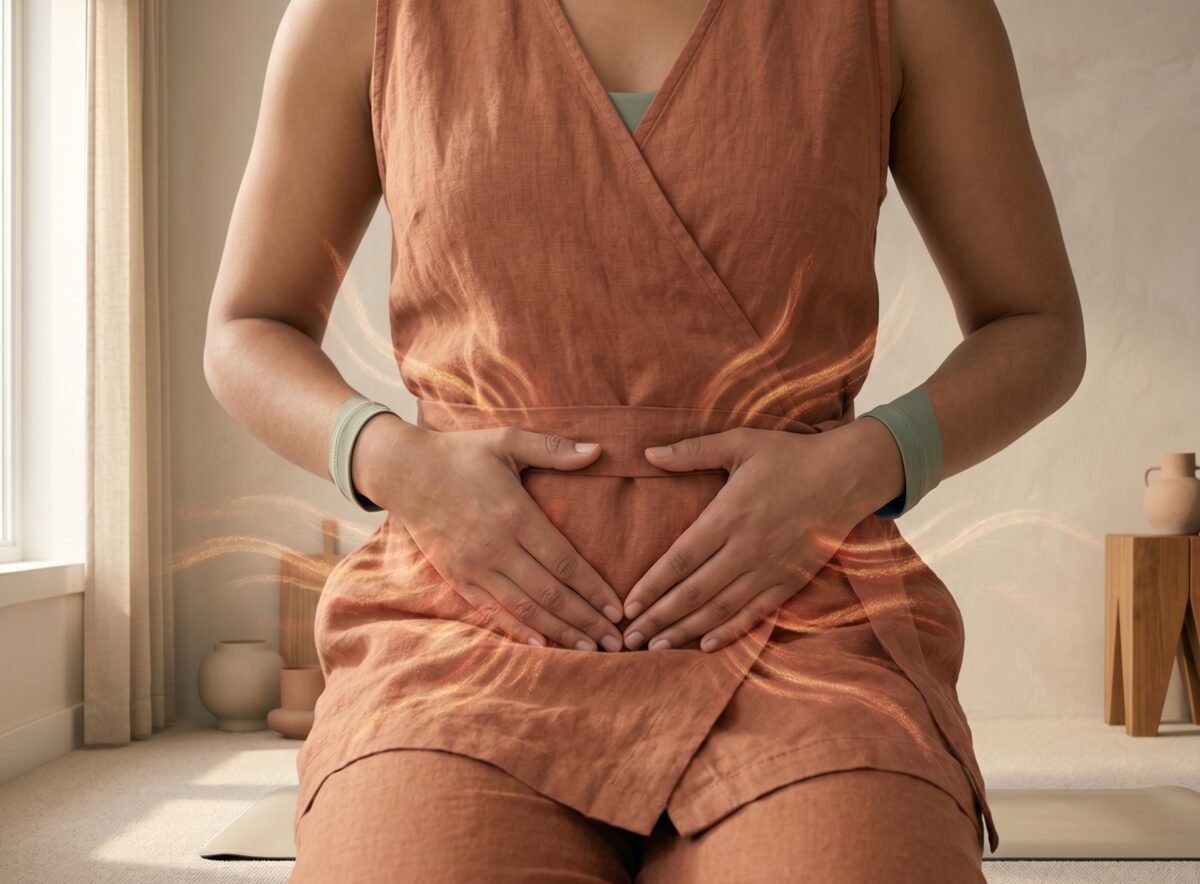
How pregnancy and birth change the pelvic floor
The biomechanical reality behind postpartum symptoms
During pregnancy, your pelvic floor supported the growing weight of your uterus, baby, placenta, and amniotic fluid for nine months. This sustained loading stretches the pelvic floor muscles, fascia, and connective tissue well beyond their resting length. Hormonal changes — particularly relaxin — soften ligaments throughout the pelvis, increasing joint mobility but reducing stability. Your abdominal wall stretched and separated to accommodate growth, changing the way your core generates and transfers force.
Vaginal delivery adds direct trauma: stretching, tearing, or episiotomy to the pelvic floor muscles and perineum. Prolonged pushing, instrument-assisted delivery, and large birth weight increase the extent of tissue injury. Cesarean delivery avoids vaginal trauma but creates abdominal and uterine incisions that affect core function, scar mobility, and visceral movement. Both pathways leave the pelvic floor and core complex significantly altered. After delivery, hormonal shifts — especially during breastfeeding — keep tissue in a recovery state. The pelvic floor muscles may be weakened, overstretched, or compensating with excessive tension. The abdominal wall may not re-approximate properly, leading to diastasis recti. The nervous system may remain in a heightened state from the demands of early parenthood. Physiotherapy addresses all of these systems — not just the muscles, but the coordination, loading capacity, and functional integration that your body needs to recover fully.
Why physiotherapy is essential after birth
A six-week medical clearance tells you your wounds have healed — it doesn’t tell you your pelvic floor is functioning. Postpartum physiotherapy provides the detailed assessment and targeted rehabilitation that routine postnatal care doesn’t include. Here’s how it supports your recovery.
Pelvic floor physiotherapy focuses on:
- Pelvic floor assessment and rehabilitation — Evaluating the strength, coordination, endurance, and tone of your pelvic floor muscles after birth, identifying areas of weakness, overactivity, or injury, and building a progressive rehabilitation program that restores function for daily life, exercise, and intimacy.
- Abdominal wall and core restoration — Assessing diastasis recti, core coordination, and the ability of your abdominal wall to generate and transfer force, then rebuilding integrated core function through progressive loading rather than generic “ab exercises” that can worsen separation.
- Scar tissue management — Mobilizing perineal, episiotomy, or cesarean scars to restore tissue flexibility, reduce adhesions, decrease sensitivity, and prevent the long-term movement restrictions and pain that poorly healing scars create.
- Return-to-activity programming — Building a graduated plan to return to exercise, sport, lifting, and daily activities safely, addressing the specific pelvic floor and core demands of your chosen activities and preventing the leakage, prolapse symptoms, or pain that premature return causes.

How postpartum care works at Nuvo Physio
Phased recovery that meets you where you are.
We know the postpartum period is demanding. Sleep deprivation, breastfeeding, and the emotional intensity of new parenthood mean that recovery needs to fit your reality — not an idealized schedule. We assess where your body is right now and build a plan that’s effective, manageable, and adapts as your recovery progresses through different phases.
Your care may involve:
- Specialized Pelvic Physiotherapy — Comprehensive pelvic floor and core assessment, internal and external manual therapy, progressive strengthening, scar mobilization, and functional retraining tailored to your specific birth experience and recovery goals.
- Collaborative Team Care — We match you with the clinician best suited to your postpartum needs — whether your primary concerns are pain, leakage, prolapse symptoms, return to sport, or C-section recovery — and coordinate with your midwife, OB-GYN, or family physician.
- Education and Self-Management — Practical tools for managing symptoms at home, including safe movement strategies, lifting mechanics with your baby, positioning for breastfeeding, pelvic floor exercise progressions, and guidance on when and how to return to activities.
- Long-Term Recovery Support — Postpartum recovery extends well beyond the first year. We support you through the full continuum — from early healing through return to high-impact sport, through subsequent pregnancies, and into perimenopause when prior birth injuries may resurface.
Common postpartum symptoms we support
Postpartum symptoms are common — but “common” doesn’t mean “normal” or “permanent.” Every symptom on this list is treatable. If you recognize yourself here, pelvic floor physiotherapy can help.
- Urinary leakage — Stress incontinence during coughing, sneezing, laughing, or exercise caused by pelvic floor weakness, poor coordination, or nerve injury from delivery.
- Pelvic heaviness or prolapse symptoms — A feeling of pressure, bulging, or “something falling out” related to pelvic floor laxity and loss of support after vaginal delivery.
- Abdominal separation — Visible gap or doming along the midline of the abdomen, difficulty engaging the core, and a sense that your midsection “doesn’t work” like it used to.
- Pain during intercourse — Discomfort, tightness, or pain during sexual activity related to perineal scar tissue, pelvic floor tension, or hormonal changes during breastfeeding.
- Cesarean scar pain and restriction — Tightness, numbness, pulling, or pain around the C-section incision that limits movement, affects core function, or creates ongoing discomfort.
- Pelvic girdle and low back pain — Persistent sacroiliac, pubic symphysis, or lower back pain that began during pregnancy and hasn’t resolved after delivery, often related to joint instability and altered muscle coordination.
- Bowel changes — Postpartum constipation, urgency, or difficulty controlling gas or stool related to pelvic floor injury, altered coordination, or perineal trauma.
What to expect when you start care
- “Tell us what you’re feeling” — Answer a few guided questions about your birth experience, current symptoms, recovery goals, and how your body is functioning in daily life with your baby.
- “Get the right support” — We use your answers to guide the next steps and match you with the clinician best suited to your specific postpartum needs and recovery timeline.
- “Begin care at your pace” — Treatment starts where you are — whether that’s two weeks postpartum or two years. We build a plan that works with your schedule, energy levels, and parenting demands.