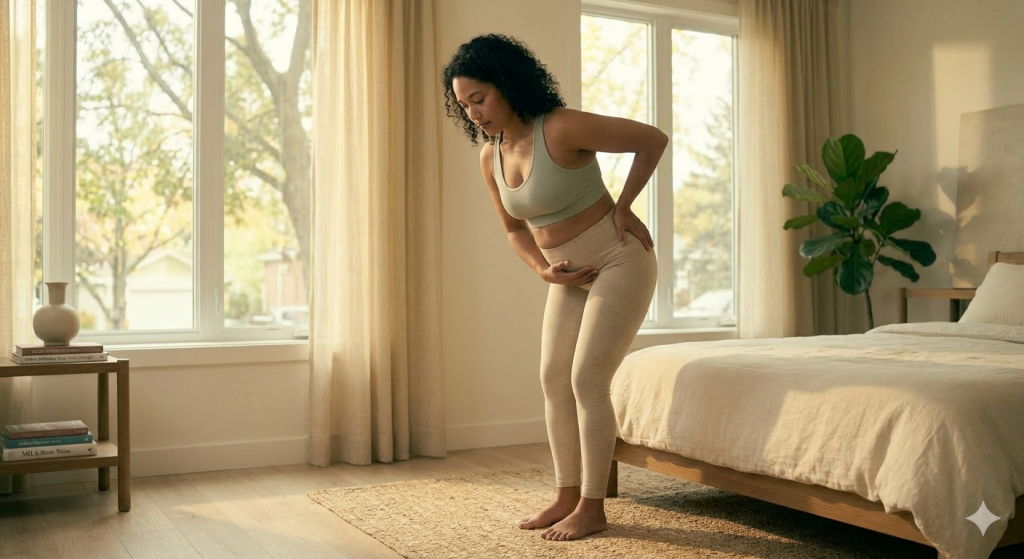
What Are Uterine Fibroids? Understanding This Common Condition
Uterine fibroids—also called leiomyomas or myomas—are non-cancerous growths that develop in or on the uterus. Despite being benign (not cancerous), fibroids can significantly impact quality of life, pelvic function, and overall well-being. The good news? With proper understanding and comprehensive management, women with fibroids can maintain excellent pelvic health and function.
At Nuvo Physio, we work with women who have fibroids to address the pelvic health complications that often accompany this condition. While we don’t treat the fibroids themselves (that’s the domain of gynecology), we’re essential partners in managing the pelvic floor dysfunction, pain, incontinence, and movement limitations that frequently coexist with fibroids.
If you’ve been diagnosed with fibroids and are uncertain about next steps, or if you’re struggling with symptoms but haven’t yet been diagnosed, this guide will help you understand your condition and the role pelvic health physiotherapy plays in your overall management.
Prevalence and Why You’re Not Alone
Uterine fibroids are incredibly common. Depending on the age group and population studied, anywhere from 20-80% of women develop fibroids by age 50. However, the vast majority of women with fibroids have no symptoms and never know they have them. These asymptomatic fibroids are often discovered incidentally during ultrasounds for other reasons.
The challenge arises when fibroids cause symptoms—and symptom severity doesn’t always correlate with fibroid size. Some women with large fibroids have minimal symptoms, while others with smaller fibroids experience debilitating symptoms. This individual variation makes personalized assessment and management essential.
Types of Fibroids: Location Matters
Fibroids are classified by their location, and this location determines what symptoms they’re likely to cause:
Submucosal Fibroids
These fibroids grow into the uterine cavity (the space where pregnancy occurs). Even relatively small submucosal fibroids can cause heavy menstrual bleeding because they increase the surface area of the uterine lining and disrupt normal uterine contractions.
Symptoms: Heavy menstrual bleeding, prolonged periods, anemia from blood loss, passage of clots or tissue
Intramural Fibroids
These are the most common type, growing within the muscular wall of the uterus. They can range from small and asymptomatic to large and symptom-causing.
Symptoms: Depends on size and location; may cause heavy periods, pelvic pressure, pain, or urinary incontinence if they press on the bladder
Subserosal Fibroids
These grow on the outer surface of the uterus, extending into the pelvic cavity. They’re less likely to cause heavy bleeding but can cause pressure symptoms.
Symptoms: Pelvic pressure, lower back pain, pressure on adjacent organs (bladder or bowel), rarely pain if they become twisted on their stalk
Pedunculated Fibroids
These are fibroids attached to the uterus by a narrow stalk. They can be submucosal or subserosal and occasionally twist, causing acute pain.
Symptoms: Variable depending on type and whether torsion (twisting) occurs
Symptoms of Uterine Fibroids: What You Might Experience
The specific symptoms you experience depend on fibroid size, number, location, and individual factors. Common symptoms include:
Heavy or Prolonged Menstrual Bleeding
This is the most common fibroid symptom. You might experience:
- Periods lasting longer than 7 days
- Passing blood clots larger than a quarter
- Soaking through pads or tampons every 1-2 hours
- Needing to double up on protection
- Periods so heavy they limit your activities
Heavy menstrual bleeding leads to anemia (low iron), which causes fatigue, breathlessness, and further depletes your energy. The psychological impact—worrying about leaking during activities, avoiding certain situations, anxiety about going out—is significant.
Pelvic Pain and Pressure
Fibroids can cause:
- Dull, aching pelvic pain, especially during menstruation
- Pressure sensation in the lower abdomen or pelvis
- Lower back pain
- Pain with intercourse (dyspareunia), especially if fibroids are located anteriorly (toward the front)
- Pain from acute torsion (twisting) if a pedunculated fibroid twists—this causes severe, sudden pain requiring immediate medical attention
Urinary Symptoms
Large fibroids pressing on the bladder can cause:
- Frequent urination (needing to urinate many times daily and nightly)
- Urgency (sudden, compelling need to urinate)
- Urinary incontinence (involuntary leaking)
- Incomplete emptying (feeling like you haven’t fully emptied your bladder)
Bowel Symptoms
Posterior (rear-located) fibroids can affect bowel function:
- Constipation or difficulty with bowel movements
- Feeling of rectal pressure or fullness
- Incomplete bowel emptying
Reproductive Impact
For women trying to conceive:
- Fibroids, particularly submucosal ones, can interfere with embryo implantation
- They may obstruct fallopian tubes
- They can increase miscarriage risk
Other Symptoms
Some women experience fatigue (from anemia and chronic pain), anxiety (about symptoms or fertility), and depression (from symptom burden and quality-of-life impact).
The Hormonal Connection: Why Fibroids Develop
While we don’t completely understand why fibroids develop, research indicates several contributing factors:
Estrogen and Progesterone Sensitivity
Fibroids are hormone-responsive tumors. Estrogen and progesterone promote fibroid growth. This is why fibroids tend to grow during reproductive years and often shrink after menopause when hormone levels decline.
Genetic and Growth Factor Abnormalities
Certain genetic mutations make some women more susceptible to fibroid development. Additionally, growth factors in the uterine environment promote fibroid growth.
Inflammation
Chronic inflammation in the uterus creates an environment conducive to fibroid growth. This inflammatory environment also contributes to pain and symptom severity.
Hormonal Factors Beyond the Reproductive Hormones
Insulin resistance, metabolic dysfunction, and other hormonal imbalances can promote fibroid growth. This is why PCOS sometimes coexists with fibroids.
Understanding that fibroids are hormone-responsive means that management strategies addressing hormonal health and inflammation can help—even if they don’t eliminate existing fibroids.
Diagnosis and Medical Management Options
How Fibroids Are Diagnosed
Most fibroids are diagnosed via:
Pelvic Ultrasound: The standard imaging modality. Transabdominal ultrasound (scanning through the abdomen) is comfortable, while transvaginal ultrasound (scanning through the vagina) provides more detailed information about fibroid size, location, and uterine changes.
MRI: Used when ultrasound findings are unclear or when more detailed anatomical information is needed, particularly if surgery is being considered.
Clinical Evaluation: Gynecologists often suspect fibroids based on symptoms and physical examination findings (like an enlarged, irregular uterus).
Medical Management Options
Watchful Waiting: If fibroids are asymptomatic or minimally symptomatic, observation is often recommended. Fibroids don’t automatically worsen, and many remain stable for years.
Medication:
- GnRH Agonists: These suppress estrogen and can shrink fibroids and reduce bleeding. Used short-term (typically 3-6 months) because long-term use causes menopausal side effects. Often used to shrink fibroids before surgery.
- Progestins: Birth control pills or progestin-containing IUDs (like the Mirena) reduce heavy bleeding but don’t shrink fibroids. Many women find they help manage symptoms significantly.
- NSAIDs: Pain medications like ibuprofen reduce pain and can decrease heavy bleeding.
Surgical Options:
- Myomectomy: Surgical removal of fibroids while preserving the uterus. Ideal for women wanting to preserve fertility. Can be performed through various approaches (hysteroscopic, laparoscopic, or open surgery).
- Hysterectomy: Surgical removal of the entire uterus, eliminating fibroids completely but ending fertility. A major decision that warrants careful consideration.
- Myolysis or Cryomyolysis: Minimally invasive procedures that destroy fibroids using electrical energy or freezing. Less commonly used.
Radiological Options:
- Uterine Artery Embolization (UAE): A minimally invasive procedure where blood vessels supplying fibroids are blocked, causing fibroid shrinkage. Preserves the uterus but may affect fertility and has varying long-term outcomes.
- MR-Guided Focused Ultrasound: A newer, non-invasive option using high-energy ultrasound to heat and destroy fibroids.
The choice of management depends on symptom severity, fibroid characteristics, your fertility desires, your age, and personal preferences. Many women benefit from a combination approach (e.g., medication to manage symptoms while considering longer-term options).
The Pelvic Floor Connection: How Fibroids Affect Pelvic Function
Large or strategically positioned fibroids can directly impact pelvic floor and pelvic organ function:
Mechanical Effects
Pressure on Pelvic Floor Muscles: Large anterior (front) fibroids can literally press downward on your pelvic floor muscles, causing:
- Pelvic heaviness or pressure sensation
- Pain or heaviness with prolonged sitting or standing
- Exacerbation of symptoms during menstruation when the uterus is further enlarged
Bladder Pressure: Fibroids pressing upward on the bladder cause urgency, frequency, and incontinence symptoms that persist even with pelvic floor strengthening.
Bowel Pressure: Posterior fibroids pressing on your rectum and sigmoid colon cause constipation and incomplete emptying.
Neuromuscular Effects
Chronic pain from fibroids causes pelvic floor muscle tension and guarding (protective muscle tension). Women develop chronic pelvic floor tension as a pain-avoidance strategy. This tension itself becomes problematic—contributing to additional pain, sexual dysfunction, and difficulty with bowel/bladder function.
Systemic Effects
The chronic pain and heavy bleeding from fibroids trigger systemic effects:
- Anemia-related fatigue and reduced physical activity
- Chronic stress from symptom burden, increasing pelvic floor tension
- Sleep disruption from nocturia (nighttime urination) or menstrual symptoms
- Reduced physical activity due to symptom avoidance, leading to deconditioning
Pelvic Floor Physiotherapy for Fibroid Management
While physiotherapy doesn’t treat the fibroids themselves, it’s a crucial component of managing fibroid-related pelvic dysfunction and optimizing overall pelvic health. Here’s how:
Pelvic Floor Muscle Assessment and Training
If fibroids are causing pelvic floor dysfunction (tension, weakness, coordination issues), targeted pelvic floor physiotherapy addresses these:
Assessment: We evaluate pelvic floor muscle strength, endurance, tone, coordination, and ability to relax. This clarifies whether symptoms are from muscle weakness, excessive tension, or poor coordination.
Addressing Excessive Tension: Many women with fibroid-related pelvic pain develop chronically tight pelvic floor muscles. We teach relaxation techniques including:
- Diaphragmatic breathing with pelvic floor awareness
- Progressive muscle relaxation
- Internal soft tissue massage and trigger point release
- Myofascial release techniques
Strength and Endurance Training: If pelvic floor weakness contributes to symptoms like incontinence or heaviness, we progress to strengthening exercises.
Coordination Training: We teach proper muscle activation patterns—avoiding excessive tension while maintaining functional strength.
Pain Management Strategies
Physiotherapy addresses fibroid-related pain through:
Manual Therapy: Myofascial release, soft tissue mobilization, and trigger point techniques reduce muscle tension contributing to pain.
Movement Strategies: We optimize posture and movement patterns to reduce pressure on affected areas and minimize pain triggers.
Breathing Techniques: Proper breathing reduces muscle tension and nervous system arousal (which perpetuates pain perception).
Scar Tissue Management: If you’ve had uterine artery embolization or other procedures, we address scar tissue mobility and pelvic floor restrictions.
Activity Modification and Exercise Prescription
We help you optimize exercise and activity:
Activity Tolerance: We help you understand which activities exacerbate symptoms (often prolonged sitting or standing) and which help (gentle movement, swimming, walking).
Exercise Programming: Appropriate exercise reduces pain, maintains fitness during heavy bleeding periods, and improves pelvic floor function. We progress from gentle movement to more demanding activities based on your tolerance.
Return to Exercise: If you’ve reduced activity due to fibroid symptoms, we systematically return you to your desired exercise level with modifications as needed.
Lifestyle Strategies That Support Pelvic Health with Fibroids
Beyond formal physiotherapy, several lifestyle strategies reduce symptoms and support pelvic wellness:
Nutritional Support for Anemia Management
Heavy menstrual bleeding often causes iron-deficiency anemia. Addressing this is critical:
Iron-Rich Foods: Red meat, poultry, fish, legumes, dark leafy greens, fortified grains. Plant-based iron is absorbed better when combined with vitamin C.
Vitamin C: Citrus fruits, berries, peppers, tomatoes enhance iron absorption.
B Vitamins: Particularly B12 and folate support red blood cell production. Especially important if you’re vegetarian.
Consider Supplementation: Many women with heavy fibroid-related bleeding benefit from iron supplementation. Work with your healthcare provider to optimize your levels.
Anti-Inflammatory Dietary Approaches
Since inflammation contributes to fibroid growth and symptom severity, anti-inflammatory eating patterns help:
- Mediterranean Diet: High in vegetables, fruits, whole grains, and omega-3 fatty acids. Excellent evidence for anti-inflammatory benefits.
- Whole Foods Focus: Minimize processed foods, added sugars, and inflammatory oils.
- Omega-3 Sources: Fish, flaxseeds, walnuts, chia seeds
- Limit Inflammatory Foods: Excess red meat, processed meats, refined carbohydrates, trans fats
Stress Management and Nervous System Regulation
Chronic stress perpetuates inflammation and pelvic floor tension. Stress management is essential:
- Meditation or Mindfulness: Regular practice reduces stress hormones and nervous system activation.
- Yoga: Gentle yoga (avoiding intense abdominal work) supports relaxation and pelvic health.
- Walking or Nature Time: Gentle movement in natural settings reduces stress.
- Sleep Optimization: Aim for 7-9 hours nightly. Sleep supports immune function and tissue healing.
Period Symptom Management
Heavy periods are physically and emotionally taxing. Strategies to manage them:
- Heat Therapy: Heating pads on your lower abdomen and lower back reduce cramping and tension.
- Adequate Hydration and Rest: During heavy bleeding days, prioritize rest and hydration.
- Pain Management: Appropriate use of NSAIDs during your period reduces pain and may decrease bleeding.
- Menstrual Products: Experiment to find products that give you confidence (period underwear, cups, discs, or heavy-flow pads/tampons).
Fibroids and Fertility: Special Considerations
If you’re trying to conceive with fibroids, several factors influence fertility outcomes:
Fibroid Location: Submucosal fibroids (extending into the uterine cavity) are most problematic for implantation. Intramural and subserosal fibroids have less impact on fertility unless they significantly distort the uterine cavity.
Fibroid Size: Larger fibroids are more likely to reduce fertility. Fibroids >4 cm significantly reduce pregnancy rates and increase miscarriage risk.
Number of Fibroids: Multiple fibroids have a greater cumulative effect than a single fibroid.
Surgical Intervention: Myomectomy (fibroid removal) before attempting conception improves outcomes if fibroids are impacting fertility. The decision to pursue surgery should be individualized with your gynecologist.
Pelvic Floor Physiotherapy: Optimizing pelvic floor function, reducing pelvic muscle tension, and ensuring good blood flow to reproductive organs supports fertility. We work alongside your fertility specialists to optimize your pelvic health.
Fibroids and Menopause: What to Expect
As you approach menopause, estrogen and progesterone decline, typically causing fibroids to shrink. This is often positive—symptoms usually improve significantly.
However, the transition through perimenopause can be complex:
Perimenopause Challenges: During perimenopause, hormone fluctuations can cause fibroid-related symptoms to flare unpredictably. Your periods might become heavier before they lighten.
Symptom Relief: By full menopause, most women with fibroids experience substantial symptom improvement as fibroids typically shrink 40-60% after menopause.
Continued Pelvic Health: Even with fibroid shrinkage, pelvic floor dysfunction from years of fibroid-related changes may persist. Continued physiotherapy supports optimal pelvic health through and beyond menopause.
When to Seek Gynecological Evaluation
While we manage pelvic floor dysfunction at Nuvo Physio, fibroid diagnosis and treatment decisions require gynecological expertise. Seek gynecological evaluation if you experience:
- Heavy menstrual bleeding (bleeding lasting >7 days, soaking through protection, or causing anemia symptoms)
- Pelvic pain unresponsive to self-care
- Severe pelvic pressure or heaviness affecting function
- Infertility and suspected fibroids
- Sudden severe pelvic pain (could indicate fibroid torsion)
Frequently Asked Questions About Fibroids and Pelvic Health
Can exercise worsen my fibroids?
Appropriate exercise doesn’t worsen fibroids or cause them to grow. In fact, regular physical activity supports hormonal health and reduces inflammation. However, intense abdominal exercises, heavy lifting, or high-impact activities may exacerbate symptoms in some women. We help you find the exercise level that supports your health without worsening symptoms.
Will my fibroids come back after removal?
After myomectomy (fibroid removal), recurrence is possible—approximately 10-15% of women develop new fibroids within 5 years. This depends on genetic susceptibility and hormonal factors. Lifestyle approaches supporting hormonal health (anti-inflammatory diet, stress management, appropriate exercise) may reduce recurrence risk.
Can fibroids cause pelvic floor dysfunction without being large?
Yes. Even smaller fibroids can cause pelvic floor tension and dysfunction through direct mechanical effects or through pain-related muscle guarding. Assessment by a pelvic health physiotherapist clarifies what’s contributing to your pelvic floor dysfunction.
Is it safe to do pelvic floor exercises if I have fibroids?
Yes, with appropriate modifications. We assess your specific situation and tailor your program. Some women benefit from pelvic floor strengthening; others need focused relaxation and tension release. Your program is individualized.
How long does it take to feel better after physiotherapy for fibroid-related pelvic dysfunction?
Many women notice improvement within 2-4 weeks of consistent physiotherapy. Significant improvement in pain and pelvic floor function typically develops over 6-12 weeks. The timeline depends on symptom severity, consistency of your home program, and presence of other factors contributing to your symptoms.
Can dietary changes shrink my fibroids?
Dietary changes alone won’t shrink existing fibroids, but anti-inflammatory eating patterns may slow fibroid growth and reduce symptoms. The most robust evidence supports medication or procedural interventions for fibroid shrinkage, but lifestyle approaches support overall health and symptom management.
Comprehensive Care: Your Path Forward
Managing uterine fibroids effectively requires a team approach. Your gynecologist addresses the fibroids themselves—diagnosis, monitoring, and treatment decisions. Your pelvic health physiotherapist addresses the pelvic dysfunction and symptoms that develop. Together, these approaches optimize your quality of life and pelvic wellness.
If you have fibroids and are experiencing pelvic pain, pelvic floor dysfunction, incontinence, or other pelvic health symptoms, physiotherapy can help. Even if you’re still deciding on fibroid treatment options, optimizing your pelvic floor function now supports your overall health and prepares you for whatever path you choose.
Book a consultation at Nuvo Physio to assess your pelvic health and develop strategies for managing fibroid-related symptoms. We’ll work with your gynecologist to ensure comprehensive, coordinated care that optimizes your wellness and quality of life.